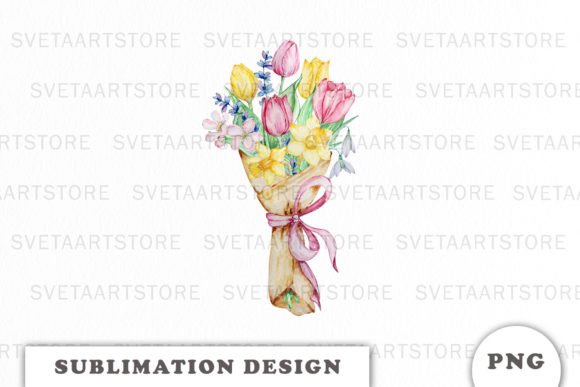
Review: Watercolor Spring Flowers Sublimation for Embroidery
As a designer who spends more time staring at stitch maps than most people care to admit, I approach every new digital embroidery file with a mix of excitement and skepticism. We have all been there: you buy a beautiful graphic, convert it, and realize too late that the details are too fine for the thread or the density is a nightmare on stretchy fabric. Today, I am looking at the Watercolor Spring Flowers Sublimation design. While this product is technically sold as a high-resolution PNG illustration intended for sublimation printing, my interest lies in its potential as a reference for creating a custom machine embroidery design or using it as a printed underlay for mixed-media projects.
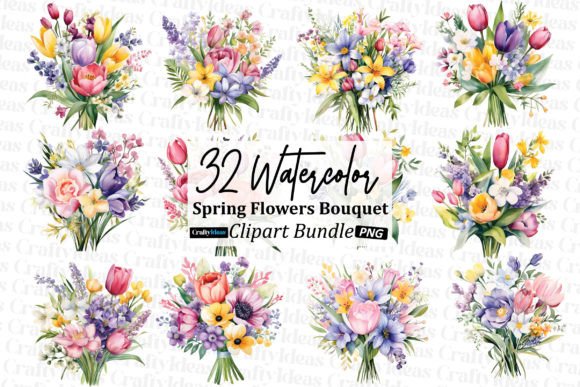
The first thing that strikes me about this Illustrations category asset is the mood. It captures that soft, ethereal quality of spring without feeling cluttered. The watercolor aesthetic implies blended edges and organic shapes, which is a specific challenge when translating to thread. In a real-world scenario, imagine you are preparing a custom order for a boutique client who wants a line of eco-friendly tote bags. They want something that feels hand-painted but needs the durability of embroidery. This Watercolor Spring Flowers Sublimation file serves as an excellent visual blueprint. Because it comes in 300 DPI with a transparent background, the clarity allows me to trace over it in my digitizing software to create satin and fill stitches that mimic the original brushstrokes.
Translating Soft Edges into Stitch
The core challenge with any watercolor-style Graphics file is the lack of hard outlines. In sublimation, color bleeds are a feature; in embroidery, undefined edges can look messy if not handled correctly. When evaluating this design for a sweatshirt embroidery project, I immediately think about stitch types. A standard fill stitch might be too rigid for these petals. Instead, this design begs for a combination of long running stitch outlines to define the shape and varied density fill stitches to create the illusion of depth.
If you are an Etsy seller looking to expand your craft business, using this image as a base for a digitized applique design could be a game-changer. You could print the watercolor flowers onto fabric, cut them out, and stitch them down with a delicate satin stitch border. This hybrid approach preserves the authentic watercolor look while adding the tactile value of embroidery. It creates a handmade product that stands out in a sea of generic digital prints. The visual personality of the flowers is gentle and inviting, making it perfect for baby embroidery items like onesies or nursery wall hangings where harsh lines feel out of place.
Real-World Application and Fabric Choices
Let's talk about where this design actually works best. I recently tested a similar concept on a linen tote bag design. Linen has a natural texture that complements the organic feel of watercolor flowers. However, you must be careful with fabric texture. If you attempt this on a highly textured towel or a fuzzy fleece, the fine details of the petals might get lost. For a holiday embroidery gift, such as a kitchen tea towel, I would recommend using this design as a printed transfer and then adding minimal stitching—perhaps just the stems or key outlines—to ensure the design remains crisp after multiple washes.
For custom apparel, specifically t-shirts, the transparency of the PNG is vital. It allows you to place the flowers over pocket areas or collar lines without a distracting white box. However, remember that this is a raster image. If you plan to digitize it yourself, you need to check the stitch density. Watercolor effects often rely on subtle color shifts. In thread, this means planning your thread colors carefully. You might need three or four shades of pink or blue to achieve the same gradient effect seen in the source file. Skipping this step results in a flat, cartoonish look that betrays the elegance of the original art.
Critical Considerations for Commercial Use
Before you list this as part of your small shop product lineup, there are practical hurdles to clear. Since this is a digital download meant for sublimation, using it for embroidery requires an extra step of digitization unless you are doing a print-and-stitch method. If you are creating an embroidered patch, the curved edges of the flowers need to be simplified. Tiny, intricate corners in the original artwork will cause thread breaks or bird nests if the digitizer does not simplify the path.
Also, consider the hoop size. These floral arrangements often have sprawling layouts. Ensure your machine can accommodate the width of the design, especially if you are working on curved surfaces like caps. A cap requires a different digitizing strategy than a flat pillow cover; the push and pull of the fabric can distort the delicate proportions of the flowers. Always test the design on scrap fabric first. Check how the stabilizer holds up. For lightweight fabrics, a heavy stabilizer might be necessary to prevent puckering, which would ruin the soft aesthetic of the watercolor theme.
Enhancing Brand Value and Customer Trust
Ultimately, the choice of design assets dictates the perceived value of your finished product. Using a high-quality source like Watercolor Spring Flowers Sublimation signals professionalism. Customers can tell the difference between a pixelated, low-effort graphic and one with intentional artistic merit. When used correctly, this design elevates a simple personalized gift into a boutique-quality item. It builds brand consistency if you stick to this soft, natural aesthetic across your commercial embroidery catalog.
For those creating printable mockup files to sell to other designers, this PNG is invaluable. It allows you to show clients exactly how a stitched version might look before committing to the thread work. However, a word of caution regarding licensing: always confirm the terms before selling finished items or digital products derived from this file. Just because it is an instant download does not automatically grant unlimited commercial rights for every use case.
In conclusion, while Watercolor Spring Flowers Sublimation is marketed for printing, its utility for the creative embroiderer is significant. It offers a sophisticated starting point for design assets that require a human touch. Whether you are digitizing it from scratch for a complex jacket back or using it as a guide for a simple hand-stitched accent, the potential is there. Just respect the medium. Thread behaves differently than ink. By adjusting your stitch density, choosing the right thread colors, and selecting appropriate fabrics, you can transform this digital illustration into a stunning physical reality that customers will love.