Review: Summers with Flowers on a Background
As a designer who spends more time staring at stitch simulations than actual summer days, I approach every new machine embroidery design with a mix of hope and skepticism. We all know the feeling: you download a beautiful digital embroidery file, only to find out it's a dense mess that puckers your fabric or loses its charm once translated into thread. That is why I took a close look at Summers with Flowers on a Background. This isn't just another graphic; it is a potential asset for your craft business, provided you understand how to handle its specific characteristics.
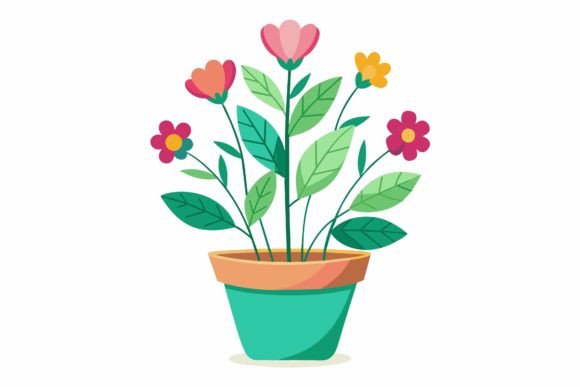
My first impression of Summers with Flowers on a Background was one of airy optimism. The layout suggests a classic botanical theme, likely utilizing a combination of fill stitch for the petals and satin stitch for the stems or outlines. In the world of Illustrations and Graphics, this style often translates well to screen printing, but embroidery is a different beast entirely. The design carries a mood of relaxed warmth, making it an ideal candidate for seasonal collections. However, the "background" element mentioned in the title requires careful scrutiny. In embroidery, large background fills can quickly eat up thread and create stiffness if the stitch density is too high.
Real-World Application: The Tote Bag Test
To truly evaluate this design, I imagined a specific real-life scenario that many Etsy sellers and boutique owners face daily: creating a line of custom canvas tote bags for a local farmer's market. You want something that screams "summer" without looking cheap. Summers with Flowers on a Background fits this brief perfectly in theory. The organic shapes would complement the natural texture of canvas or linen beautifully.
If you were to stitch this onto a tote bag, the visual personality of the design would elevate a simple handmade product into something that feels curated and professional. Customers are drawn to items that look like they have soul, and a well-executed floral motif delivers that. However, the success of this embroidery project hinges on your choice of thread colors. If the original file uses subtle gradients, you might need to manually adjust the color stops in your software to ensure the transition looks smooth on fabric, rather than blocky. For a finished product intended for sale, clarity is king.
Versatility Across Products
Beyond tote bags, where else does this design shine? I see strong potential for sweatshirt embroidery. A oversized floral graphic centered on the chest of a heather grey hoodie creates a trendy, vintage-inspired look that is currently very popular. The design could also work as a personalized gift for a mother-in-law, perhaps stitched onto a kitchen towel or an apron. In these contexts, the "summers" theme evokes nostalgia and comfort.
For those running a small shop product line, consider using this as a tote bag design element or even scaling it down for a set of coasters. If the file allows for resizing without losing detail, it could become a versatile design asset for your entire summer catalog. It could even serve as the basis for an applique design if you decide to cut fabric shapes for the flowers and use the embroidery file merely for the outlining and detailing. This technique reduces thread consumption and adds a lovely textured dimension to the piece.
Technical Considerations and Fabric Choices
While the aesthetic appeal is high, we must discuss the technical realities. The description notes that the design comes in several file formats, which is excellent for compatibility. However, before you commit to a production run, you need to assess the hoop size requirements. If the background element is expansive, you might be forced into a larger hoop, which can be tricky on curved surfaces like caps or hats. Speaking of caps, I would advise caution here. Stitching a large, detailed floral background on a structured cap can lead to registration issues and excessive bulk.
Fabric texture plays a massive role in how Summers with Flowers on a Background performs. On stable woven fabrics like denim, twill, or heavy cotton, the design should hold its shape well. However, if you attempt this on stretchy knits or thin performance fabrics, you risk distortion. The density of the background fill is the critical variable. If it is too dense, it will make the fabric stiff and uncomfortable to wear. If it is too light, the fabric might show through, ruining the color vibrancy.
Dark fabrics present another challenge. If the design relies on a light background fill to stand out, stitching it directly onto black navy fabric might look muddy unless the digitizer has accounted for underlay stitches properly. Always test your embroidery file on a scrap piece of the exact fabric you intend to use. This is non-negotiable for maintaining customer trust and ensuring brand consistency.
Maximizing Value and Professionalism
The ultimate goal of using a design like this is to increase the perceived value of your custom apparel or home goods. A crisp, clean execution of Summers with Flowers on a Background signals professionalism. It tells the buyer that care was taken in the creation process. Conversely, bird nests, skipped stitches, or puckering can destroy your reputation instantly.
To ensure the highest quality, pay attention to the small details. Inspect the corners of the leaves and the connection points between petals. These are often where running stitch elements can fail if not anchored correctly. If you are creating printable mockups for your online store, make sure your digital representation matches the reality of the stitched item. Over-promising in your photos leads to disappointed customers.
For holiday embroidery projects, such as end-of-summer gifts or back-to-school items, this design offers a timely solution. It bridges the gap between the lazy days of August and the structured routine of September. Whether you are making an embroidered patch to sell at a craft fair or decorating baby clothes for a shower gift, the versatility of this graphic is its strongest selling point.
Final Designer Notes
Before you dive into production, here is my practical checklist for working with Summers with Flowers on a Background:
- Test First: Always stitch a sample on scrap fabric identical to your final material.
- Check Density: Review the stitch count per square inch. If the background feels too heavy, consider editing the file to reduce fill density.
- Stabilizer Matters: Use the correct stabilizer for your fabric type. Cut-away is usually best for stretchy garments, while tear-away works for stable wovens.
- Color Contrast: Ensure your thread choices provide enough contrast against the fabric background.
- Licensing: Since the provider mentions customization, confirm the license terms. Are you allowed to sell the finished product commercially? Can you modify the file for client work?
- Format Check: Verify that the provided file formats match your machine's requirements.
In conclusion, Summers with Flowers on a Background is a promising addition to any designer's library. It captures a specific seasonal mood that resonates with buyers looking for warmth and nature-inspired aesthetics. However, like any powerful tool, it requires skill to wield effectively. By respecting the limitations of your materials and understanding the nuances of the digitization, you can turn this graphics file into a standout small shop product that customers will love. Treat it with the respect it deserves, and it will undoubtedly become a staple in your commercial embroidery lineup.