Review: Flowers Background Daisy Paper Bundle for Embroidery
As a designer who spends more time staring at stitch simulations than most people care to admit, I approach new design assets with a healthy dose of skepticism. We have all been there: you download a file that looks stunning on the screen, only to realize once it hits the hoop that the details are too fine for the fabric or the density is a nightmare to trim. Recently, I got my hands on the Flowers Background Daisy Paper Bundle to see if it holds up under the needle. This isn't just a quick glance at a pretty picture; this is a deep dive into how these Illustrations and Graphics translate into a tangible finished product.
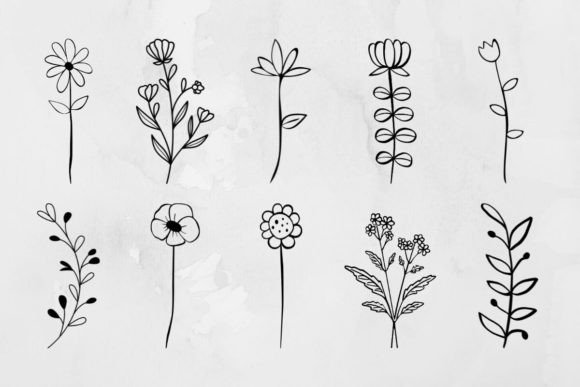
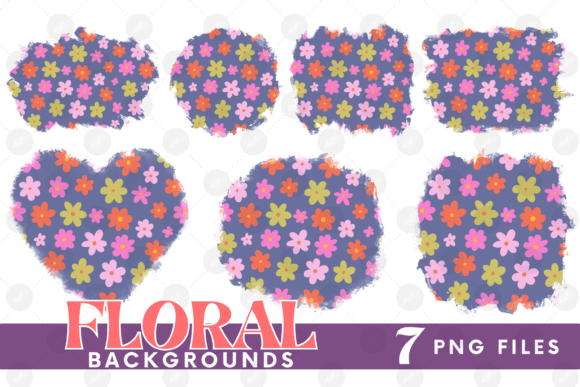
My first impression of the bundle was its mood. There is a distinct vintage, paper-craft aesthetic to these daisy motifs. They feel organic and slightly textured, which is a refreshing change from the overly polished, vector-perfect flowers we often see in digital marketplaces. For an embroidery project, this "imperfect" quality is actually a strength. It suggests a handmade charm that resonates well with customers looking for authenticity. The layout of the seven PNG files offers versatility, providing enough variation to create a cohesive collection without feeling repetitive. However, since these are high-resolution raster images (300 dpi PNGs) and not vector SVGs or native embroidery files, the real work begins in the digitizing phase.
From Screen to Stitch: A Real-World Scenario
To truly test the viability of the Flowers Background Daisy Paper Bundle, I imagined a specific client request: a boutique order for a spring collection of canvas tote bag design concepts and matching linen tea towels. The client wanted something that felt like a pressed flower arrangement, delicate yet durable. Using the daisy graphics as a reference, I visualized how they would look as a machine embroidery design. The open centers of the daisies are perfect for playing with fill stitch variations, perhaps using a light satin or a textured fill to mimic the paper look mentioned in the product title.
In this scenario, the visual personality of the bundle shines. If you are an Etsy seller or run a small shop, presentation is everything. These graphics provide a strong foundation for creating printable mockup previews before you even stitch a single thread. You can place the PNGs onto photos of blank garments to show customers exactly what the custom apparel or home decor item will look like. This builds trust and increases buyer engagement because the customer can visualize the personalized gift clearly. For a craft business, saving time on mockup creation while maintaining high-quality visuals is a significant win.
Navigating Fabric and Stitch Challenges
While the aesthetic is promising, practical application requires caution. Because the source files are PNGs intended for illustration, converting them into a stitch-ready format requires careful attention to stitch density. If you are planning to use these motifs on a stretchy fabric like a jersey sweatshirt embroidery project, you must ensure your digitizer reduces the pull. Heavy density on knit fabrics leads to puckering, which ruins the delicate vibe of the daisies.
I also considered how these designs would perform on textured fabrics. A canvas tote or a waffle-weave kitchen towel has a rougher surface. The clean lines of the Flowers Background Daisy Paper Bundle need to be bold enough to stand out against that texture. Fine running stitch outlines might get lost or break easily on coarse material. In such cases, switching to a slightly wider satin stitch border or a solid fill would ensure durability, especially for items that require frequent washing. If you are aiming for an embroidered patch look, these shapes are ideal, provided you add a merrowed edge or a tight satin border to prevent fraying.
Another critical factor is color contrast. The bundle comes in RGB, which is great for screens, but thread colors behave differently. When translating these Graphics to thread, you must test the design on both light and dark backgrounds. A white daisy on a navy blue cap looks crisp, but if the original graphic relies on subtle shading, those nuances might disappear in thread. It is always wise to create a black-and-white mockup first to check the clarity of the shapes. If the petals blend together in grayscale, you may need to simplify the design or increase the spacing between elements before stitching.
Commercial Viability and Professional Polish
For commercial embroidery projects, consistency is key. The fact that this bundle includes seven clean files without watermarks is a major plus for professional use. It allows you to scale the designs for different hoop size constraints without worrying about intrusive logos ruining the composition. Whether you are decorating a baby onesie, where space is limited, or a large pillow cover, having multiple variations allows you to maintain brand consistency across different product lines.
However, a word of caution regarding the file format: the product description explicitly states this is NOT a SVG file. This is crucial for digital product sellers and designers who rely on vector scaling. Since you are receiving PNGs, you cannot infinitely enlarge them without losing quality. If your embroidery project requires a very large hoop, you must verify that the 300 dpi resolution is sufficient for your specific dimensions. Blurry edges in a graphic translate to jagged, poor-quality stitches. Always check the pixel dimensions of the downloaded files against your intended stitch size.
Final Verdict for Makers and Designers
The Flowers Background Daisy Paper Bundle is a solid resource for those who understand the workflow of converting raster art into embroidery. It excels in creating a specific mood—whimsical, vintage, and handcrafted—that appeals strongly to the current market trends in holiday embroidery and everyday boutique goods. It is particularly well-suited for baby embroidery, nursery decor, and spring-themed collections.
Before committing to a full production run, I strongly advise testing the design on scrap fabric first. Check your stabilizer choice; a cut-away stabilizer might be necessary for stretchy garments to support the floral details, while a tear-away could suffice for stable woven linens. Pay close attention to the tiny details in the petal tips; if they are too small, they may cause thread breaks or bird nests. By treating these illustrations as a creative starting point rather than a final stitch file, you can leverage their charm to create high-value handmade products. With the right digitizing adjustments and fabric choices, this bundle can elevate your small shop product lineup, offering customers beautiful, professional-grade items that feel personal and thoughtfully made.