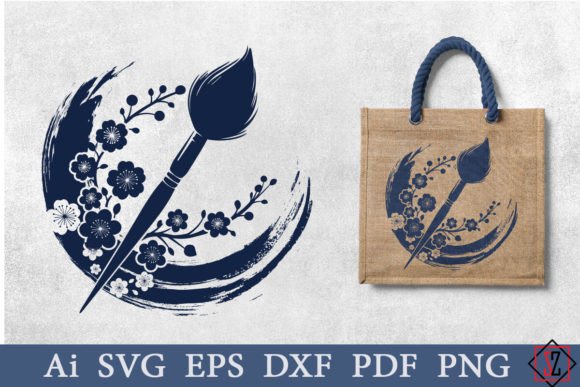
Artistic Brush in Flowers: A Designer's Real-World Review
When I first pulled up the Artistic Brush in Flowers file on my screen, I wasn't just looking for a pretty picture; I was looking for a solution. As someone who spends hours digitizing and stitching for clients, my first impression is always about potential. Does this design have the personality to sell? Will it hold up under the needle? This specific graphic stands out immediately because of its fluid, painterly aesthetic. It captures that organic, hand-painted mood that is currently dominating boutique fashion and home decor trends. Unlike rigid, geometric patterns, this design feels alive, suggesting movement and softness that translates beautifully into thread work when handled correctly.
Visual Personality and First Impressions
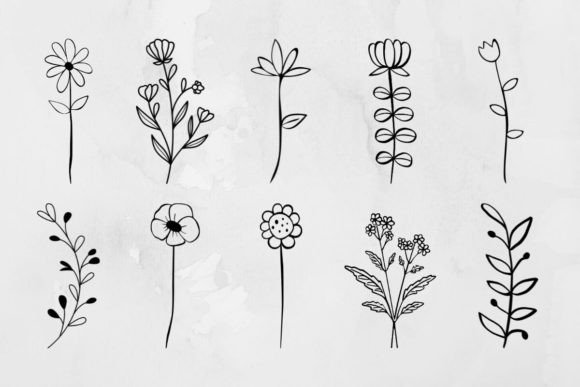
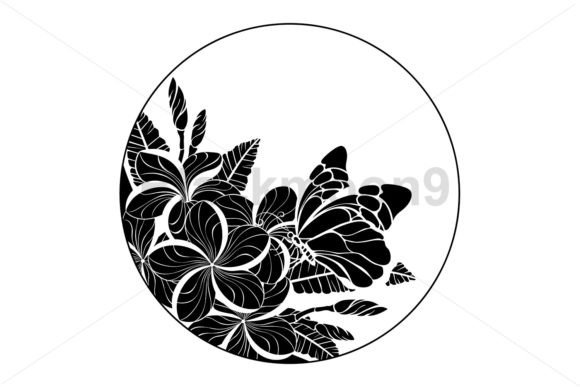
The core strength of Artistic Brush in Flowers lies in its layout and theme. It strikes a balance between artistic abstraction and recognizable floral forms. For an embroidery designer, this is a goldmine because it allows for creative interpretation of stitch types. The sweeping lines suggest long, elegant satin stitches for the stems, while the broader "brush" areas invite textured fill stitches that can mimic the look of paint on canvas. When viewing the Illustrations and Graphics provided in the download, the transparency of the background is a crucial detail. It means I can instantly drop this into mockups for dark hoodies or light tote bags without fighting with white boxes around the edges.
The mood created here is whimsical yet sophisticated. It isn't childish, which makes it versatile enough for adult apparel, high-end nursery decor, or even bridal accessories. The level of detail appears moderate, which is often the sweet spot for commercial embroidery. It offers enough visual interest to justify a higher price point on a finished product but avoids the microscopic details that often cause thread breaks or registration issues on standard home machines.
Real-World Application: The Boutique Tote Scenario
To truly evaluate this design, I imagined a specific real-life scenario: preparing a custom order for a local flower shop needing branded merchandise. They wanted something that felt artisanal, not corporate. Artistic Brush in Flowers was the immediate candidate for their canvas tote bags. In this context, the design shines. The flowing lines complement the natural texture of canvas fabric perfectly. If I were stitching this today, I would likely use a matte finish rayon thread to enhance that painted look, avoiding high-sheen polyester which might make it look too plastic-like.
Beyond totes, consider sweatshirt embroidery. The soft curves of this design work exceptionally well on fleece or French terry cloth. Because the design mimics a brushstroke, minor imperfections in the fabric texture tend to get lost in the artistic style, making it forgiving on heavier garments. For a personalized gift, such as a baby blanket or a nursery pillow cover, the gentle nature of the flowers provides a calming visual element. It avoids the harshness of sharp angles, making it ideal for baby embroidery projects where softness is key.
Versatility Across Products
This design asset is not limited to soft goods. With the right stabilization, it could serve as a striking embroidered patch. Imagine this stitched onto a denim jacket pocket or a structured cap. However, curved surfaces like caps require careful attention. The "brush" elements might need to be broken down into smaller sections to prevent puckering on the stiff front panel of a hat. For holiday embroidery or seasonal gifts, swapping the thread palette can completely change the vibe—think deep burgundies and golds for winter, or pastels for spring. As an Etsy seller or small shop owner, having a design that can be recolored easily expands your inventory without requiring new purchases.
Technical Considerations and Stitching Challenges
While the aesthetic is strong, practical application requires a critical eye. One must consider stitch density. Painterly designs can sometimes be deceptively dense if the digitizer tried to capture every shade of color. Before committing to a client's garment, it is vital to test the design on scrap fabric similar to the final material. If the Artistic Brush in Flowers design has heavy fill areas, it might pull on stretchy fabrics like jersey knits. In those cases, using a cut-away stabilizer is non-negotiable to maintain the shape of the artwork after washing.
Small hoop sizes present another challenge. If the original composition is wide, forcing it into a 4x4 hoop might crop out essential elements of the floral arrangement, ruining the balance. Always check the dimensions against your machine's capabilities. Furthermore, tiny details within the brush strokes might vanish if stitched too small. A good rule of thumb is to view the design at 50% scale on your screen; if the details blur together, they will likely disappear in thread. For dark fabrics, ensure there is sufficient contrast in the thread colors chosen. A light underlay might be necessary to pop the colors against black or navy backgrounds.
Enhancing Brand Value and Customer Trust
Using high-quality graphics like Artistic Brush in Flowers directly impacts the perceived value of your handmade product. Customers can tell the difference between a generic, clip-art style image and one with artistic depth. When a client receives a custom apron or a branded tote with this level of design integrity, it builds trust in your craftsmanship. It signals that you care about the aesthetics of the finished product, not just the speed of production. This attention to detail fosters brand consistency and encourages repeat business, whether you are selling custom apparel or digital previews.
Final Designer Notes and Best Practices
Before launching this into production, here are a few practical steps I recommend. First, verify the file formats included. The package mentions AI, EPS, SVG, DXF, PDF, and PNG. While these are excellent for printing and digital mockups, remember that for machine embroidery, you typically need specific machine files (like PES, DST, or JEF). Ensure you have the correct embroidery file format for your specific machine or a reliable digitizing service to convert these vector graphics if needed.
Second, run a black-and-white test stitch. This helps you see the contrast and definition without the distraction of color. Third, always review the licensing terms. Since this is a downloadable asset intended for broad use, confirm whether it covers commercial embroidery rights if you plan to sell unlimited finished items. Finally, experiment with different thread weights. A slightly thicker thread might emphasize the "brush" effect, while a finer thread could capture more delicate nuances.
In conclusion, Artistic Brush in Flowers is a robust choice for designers looking to add an artistic flair to their catalog. It bridges the gap between digital art and tactile textile work. Whether you are creating a one-off personalized gift or scaling up a line of boutique merchandise, this design offers the flexibility and visual appeal needed to succeed in today's creative market. Just respect the technical limits of your materials, and let the design do what it does best: bring a touch of painted beauty to the world of thread.