Vintage Flowers Print Seamless Pattern Review
As a designer who spends more time staring at stitch maps than most people care to admit, I approach every new digital embroidery file with a mix of curiosity and skepticism. We have all been there: you download a beautiful graphic, load it into your software, and realize too late that what looked perfect on screen is a nightmare to stitch out. That is why I took a close look at the Vintage Flowers Print Seamless Pattern before committing it to any client project or personal handmade product. This isn't just about whether it looks pretty; it is about whether it holds up under the needle and delivers value to the end user.
The Aesthetic: Sketchy Charm Meets Textile Reality
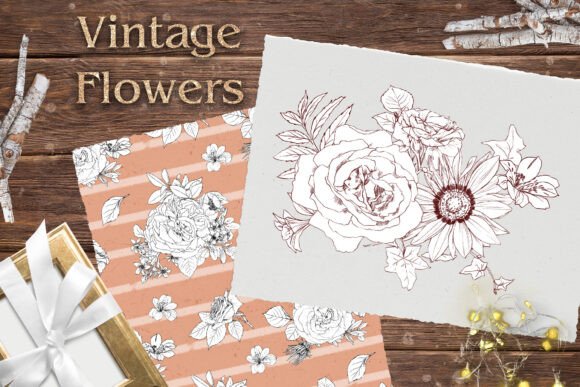
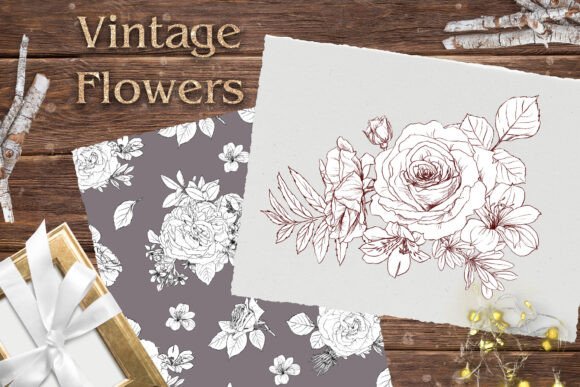
The first thing that strikes you about the Vintage Flowers Print Seamless Pattern is its mood. It captures that specific, hand-drawn sketch pencil aesthetic that feels incredibly current in the world of boutique branding. Unlike heavy, blocky vector art, this design relies on line work and organic shapes that suggest movement rather than rigid perfection. For an Etsy seller or small shop owner, this visual personality is gold. It signals "crafted by hand" even before the thread touches the fabric.
However, translating a Graphics file from the Illustrations category into a viable machine embroidery design requires a critical eye. The seamless nature of the pattern suggests it is intended for large-scale coverage or repeating motifs. In a real-world scenario, imagine preparing a custom embroidered tote bag for a local farmer's market vendor. You want something that covers the canvas without looking like a stamped logo. The flowing, vintage floral theme here fits that bill perfectly, offering a soft, romantic backdrop that elevates a simple cotton bag into a high-end accessory.
Real-World Application: From Mockup to Finished Product
I recently tested this concept mentally against a common request: a set of matching kitchen towels for a wedding gift. The Vintage Flowers Print Seamless Pattern shines in contexts where texture and subtlety matter. Because the source files are PNGs with transparent backgrounds, they are ready to be imported into digitizing software. This is a crucial distinction. As a reviewer, I must emphasize that these are design assets, not pre-digitized stitch files. You will need to apply your own satin stitch, fill stitch, or running stitch parameters based on your specific machine and thread capabilities.
For custom apparel, such as a oversized sweatshirt or a structured cap, the layout possibilities are endless. The seamless aspect allows you to create an all-over print effect if you have a large hoop, or isolate single blooms for a delicate pocket detail on a baby onesie. The "sketch" style works exceptionally well for baby embroidery because it avoids the dense, plastic-like look of heavy fill stitches, keeping the garment soft against sensitive skin. If you are creating a printable mockup for your online store, the high-resolution PNGs provide a realistic preview of how the final finished product will appear, helping customers visualize the item before they buy.
Navigating Fabric and Stitch Challenges
While the aesthetic is strong, practical application requires caution. The intricate lines of a hand-drawn sketch can get lost if the stitch density is too low or if the fabric texture is too aggressive. When working with terry cloth towels or thick fleece sweatshirts, the fine details of the Vintage Flowers Print Seamless Pattern might sink into the pile. In these cases, I recommend using a cut-away stabilizer to provide a firm foundation and potentially simplifying the smallest details during the digitizing phase.
Dark fabrics present another consideration. Since the original design is a pencil sketch style, it likely relies on contrast. If you are stitching onto navy or black fabric, you must carefully select your thread colors. A light cream or muted gold thread could recreate the vintage paper look, but you need to ensure there is enough coverage so the dark fabric doesn't peek through the sparse line work. Conversely, on light fabrics, a charcoal or slate grey thread can mimic the actual graphite pencil look beautifully.
Curved surfaces, like baseball caps, require special attention. The seamless pattern is naturally flat. Trying to wrap a repeating floral motif around the curved front panel of a hat can lead to distortion. For embroidered patch creation, however, this design is ideal. You can digitize a circular or rectangular section of the pattern, create a merrowed edge, and sell it as a standalone accessory, bypassing the difficulty of stitching directly onto curved garments.
Commercial Viability and Brand Consistency
For craft business owners, consistency is key to building trust. The Vintage Flowers Print Seamless Pattern offers a cohesive look that can be applied across a whole product line. Imagine a boutique selling linen aprons, tea towels, and tote bags all featuring variations of this same floral theme. This creates immediate brand recognition. Customers begin to associate that specific vintage sketch style with your shop, increasing the perceived value of your small shop product offerings.
Furthermore, the versatility of this design supports various niches. It works for holiday embroidery projects if paired with seasonal color palettes, or for everyday personalized gift items when monograms are integrated into the floral negative space. The professional finish of a well-executed sketch-style design tells the buyer that care was taken in the creation process, fostering customer loyalty.
Essential Designer Notes Before You Stitch
Before you rush to list this in your shop or stitch it for a client, here are my practical recommendations for working with the Vintage Flowers Print Seamless Pattern:
- Test on Scrap First: Always run a test stitch-out on the exact fabric you plan to use. What looks good on calico might behave differently on silk or denim.
- Check Licensing: Since these are digital files, confirm the license terms regarding commercial use. Ensure you are allowed to sell the physical finished product or if there are restrictions on reselling the digital asset itself.
- Verify Hoop Size: The seamless nature implies potential for large designs. Confirm your machine's maximum hoop size to see if you can utilize the full pattern or if you need to split the design.
- Contrast is King: Preview your digitized version in black and white. If the details disappear in grayscale, they will likely get lost in the stitching regardless of thread color.
- Stabilizer Selection: For lightweight or stretchy fabrics, do not skimp on stabilizer. The integrity of the sketch lines depends on the fabric remaining stable during high-speed stitching.
- File Formats: Remember that you are receiving PNGs. You will need to use embroidery software to convert these Graphics into a machine-readable format compatible with your specific brand of machine.
In conclusion, the Vintage Flowers Print Seamless Pattern is a robust resource for designers who understand the bridge between digital art and textile execution. It offers a timeless aesthetic that resonates with today's market for handmade, authentic goods. While it requires thoughtful digitizing and material selection, the result can be a stunning addition to any commercial embroidery portfolio or personal collection of heirlooms.